A History of Royal Panda Casino and Casinos in New Zealand
From a crowned mascot in 2014 to the longer arc of gambling in Aotearoa — racing, pokies, land-based halls, and the regulated digital age.
Book I
The Royal Panda Story in New Zealand
A Panda Arrives in the Land of the Long White Cloud
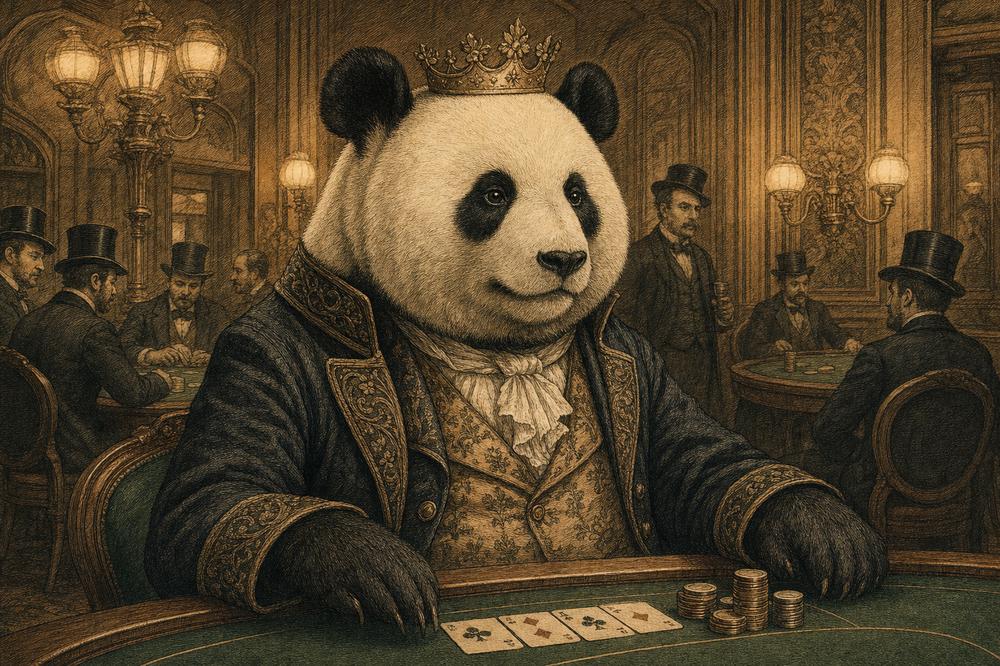
In March 2014, an unlikely mascot entered the world of online gambling. A crowned panda bear — regal, playful, and utterly memorable — became the face of a new casino brand that would, over the next decade, become a familiar name for Kiwi players. The Royal Panda casino site was born, and while the online gambling space was already crowded, this particular panda had something its competitors lacked: a clear vision of what players actually wanted.
The timing was fortuitous. New Zealanders had been gambling online for years, but the market was fragmented. Players navigated a maze of offshore operators, many of dubious reputation, with little consistency in service, payment processing, or fairness. Royal Panda arrived with a simple proposition: a properly licensed, well-designed platform that treated players like adults rather than marks to be exploited.
As one industry observer noted, Royal Panda "has been around since 2014, and that matters when you are judging bonuses rather than chasing shiny marketing lines." For Kiwi players, longevity isn't just about comfort — it's about accountability. An operator that survives a decade in this business has either done something right or learned from its mistakes.
Fig. I — A crowned panda enters the Kiwi gambling imagination, 2014 onward.
From Startup to Industry Player
Royal Panda's early years were marked by rapid growth. The brand, operated by Malta-registered Royal Panda Limited, secured licenses from both the Malta Gaming Authority (MGA) and the UK Gambling Commission — a dual-regulatory approach that immediately signalled seriousness. The MGA licence, in particular, provided a recognised regulatory framework that included obligations for fair play, player protection, and access to an Alternative Dispute Resolution provider. eCOGRA was named as the ADR body, adding another layer of accountability.
The game library was powered by industry giants: NetEnt, Microgaming, and Evolution Gaming. This wasn't a fly-by-night operation slapping together a few dozen mediocre slots. Royal Panda came to play with the big boys, and players noticed.
"Royal Panda has established a crowd-pleasing online casino and sportsbook, whilst its rapid growth encouraged Swedish giant LeoVegas."
That growth was indeed meteoric. By 2017, Royal Panda had caught the attention of LeoVegas AB, the Stockholm-based gambling powerhouse. The acquisition brought Royal Panda into a larger corporate family while allowing it to maintain its distinctive brand identity.
The LeoVegas Era: Stability and Scale
The 2017 acquisition was a pivotal moment. Joining the LeoVegas Group gave Royal Panda access to greater resources, more sophisticated technology, and a broader network of partners. For Kiwi players, the change was mostly invisible — the panda remained, the games remained, the service remained. But behind the scenes, Royal Panda gained the kind of operational stability that usually matters more than flashy marketing.
"Launched in 2014 and now operating within the LeoVegas Group, Royal Panda has the kind of brand stability that usually matters more than flashy marketing," observed one analyst. This stability translated into tangible benefits: more consistent payment processing, faster withdrawal times, and a more extensive game library.
By 2026, the company was generating approximately $33.9 million in revenue with 129 employees, placing it in a competitive mid-tier position within the online gambling sector. Its website ranked within the top 100,000 globally, a significant achievement for a brand operating in a crowded, competitive space.
Targeting New Zealand: A Strategic Decision
Royal Panda's success in New Zealand wasn't accidental. The brand made a deliberate decision to target Kiwi players, and that decision shaped everything from payment processing to promotional strategy.
"Royal Panda explicitly targets the New Zealand market, supports NZD, and presents promotions in a way that is meant to feel local rather than converted and generic," noted one analysis. This localisation matters more than many players realise. When an offer is shown in New Zealand dollars, it's easier to judge whether the value is genuine or just dressed up by currency conversion.
The practical benefits were immediate. Kiwi players could deposit and withdraw in NZD, avoiding conversion fees and the confusion of calculating bonus values in foreign currencies. Popular local payment methods like POLi were supported, alongside cards, Apple Pay, and e-wallets. The platform was designed with New Zealand users in mind — accounts supported NZD, common NZ payment rails were available, and promotions were often tailored for Kiwi players.
As one reviewer put it: "Royal Panda is clearly built with New Zealand in mind, including NZD support and promotions tailored to Kiwi players, which gives it a stronger local fit than many offshore brands."
The Bonus Philosophy: Structure Over Hype
For Royal Panda, bonuses have always been about structure rather than hype. The brand's promotional model is built for retention and session length, not just first-deposit volume. Some offers are designed to create a large first-session bankroll. Others reward repeat deposits or provide extra spins on selected pokies. Experienced players get more value when they match the bonus type to their own play style instead of chasing the largest number on the page.
The welcome bonus — typically a 100% match up to a certain amount plus free spins — is familiar to most players. But Royal Panda's approach has always emphasised transparency over illusion. As one analysis explained: "A good bonus should fit your bankroll, your game selection, and your session length. A poor one can look generous and still be awkward to clear."
For Kiwi players, the real question was never "Is there a bonus?" but "How much value survives the rules?" That meant checking wagering requirements, eligible games, time limits, bet caps, and whether the offer suited the way they actually played.
The wagering mechanics were straightforward but required attention. Most match bonuses carried wagering multipliers — typically around 20x to 35x — applied to either the bonus amount or the combined deposit-plus-bonus amount depending on the promotion. Pokies typically contributed 100% to wagering targets; table games and live casino often contributed far less or were excluded entirely.
One practical example illustrated the difference: a NZ$100 deposit with a 100% match bonus and a 20x wagering requirement on the bonus equals NZ$2,000 in wagering (NZ$100 × 20). If the site applied 20x to deposit-plus-bonus (NZ$200 × 20), that's NZ$4,000. Understanding that distinction could double or halve the required play.
Common Misunderstandings Among Kiwi Players
Even experienced New Zealand players tripped over persistent misunderstandings. Wagering base confusion was common — not all promotions used the same base (bonus-only vs deposit-plus-bonus). Misreading this doubled or halved the workload.
Game weighting assumptions were another trap. Players assumed all games counted equally. Pokies almost always counted fully; roulette, blackjack, and live games usually contributed little or nothing.
Max bet rules caught players who liked higher stakes. Betting above the maximum while on bonus funds often voided the bonus and forfeited winnings — a strict rule that was easy to forget when chasing streaks.
Payment method exclusions were also common. Some offers excluded certain deposit channels. For Kiwi players using POLi or Apple Pay, double-checking eligibility before depositing was essential.
The Regulatory Landscape: A Changing Tide
For most of its existence, Royal Panda operated in New Zealand as an offshore operator, licensed by the Malta Gaming Authority. This arrangement was legal and widely accepted. New Zealand law didn't penalise Kiwis for gambling at offshore sites, but it also didn't offer much protection, as offshore sites lay outside the gambling legislation.
That began to change in 2024. In March of that year, the New Zealand Cabinet agreed in-principle to regulate online casino gambling to support tax collection, minimise harm, and provide consumer protections to New Zealanders. The government announced plans for a new framework, allowing up to 15 licensed operators to provide their services to Kiwis.
Internal Affairs Minister Brooke van Velden announced the new gambling laws at a press conference. The new framework would replace the current Gambling Act, which had been in effect since 2003. Under the new law, online casinos and poker would be fully legalised — a significant shift from the previous regime where only online sports betting was legal.
For Royal Panda, this presented both opportunity and challenge. The brand could potentially make a legal entrance into the regulated New Zealand market. But it would need to compete for one of the 15 available licences, demonstrate access to at least NZ$7.5 million in capital, and comply with new advertising restrictions and player protection requirements.
The licensing process opened on 17 July 2026. Interested operators had until 14 August to submit an expression of interest, accompanied by a NZ$19,000 application fee. Successful bidders would be invited to submit full licence applications from October, with licensed operations expected to become fully operational during 2027.
From 1 December 2026, operators that had not entered the licensing process would have to stop offering online casino gambling to customers in New Zealand. This created a clear deadline for brands like Royal Panda to decide their future in the market.
2014 Royal Panda launches; crowned mascot enters NZ-facing online play.
2017 LeoVegas acquisition brings scale while preserving brand identity.
2024 Cabinet agrees in-principle to regulate online casino gambling.
2026 Online Casino Gambling Act era; licensing pathway opens for up to 15 operators.
The Kiwi Player Experience
For New Zealand players, Royal Panda delivered a consistent, reliable experience. The platform followed a mobile-first design approach, so the web experience on phones and tablets matched the desktop lobby and banking workflows. This was crucial in a market where many players accessed casinos primarily through mobile devices.
The game library was extensive. Royal Panda aggregated titles from major suppliers, giving a large selection of pokies, table games, and live dealer options. RNG-based games used standard generators to produce outcomes, and the MGA licence required independent checks and certified RTP reporting where applicable.
Customer support aimed to be accessible to NZ players, though response times could vary. The brand's reputation among Kiwi players was generally positive. "Royal Panda is one of the top-tier NZ online casinos," one Kiwi gambling veteran from Wellington told reviewers. "Fun, fair, secure, and loaded with features that keep players like me coming back."
Another player reported a $15,000 jackpot win — in NZD. Such stories, while rare, contributed to the brand's reputation among Kiwi players as a platform where real wins were possible.
Looking Forward: Royal Panda in New Zealand's Regulated Future
As of mid-2026, Royal Panda stands at a crossroads. The brand has built a decade of trust with Kiwi players. It has navigated the complexities of operating in a market without domestic regulation. It has established itself as a familiar name for New Zealand players since its 2014 launch.
The new regulatory framework presents both risks and opportunities. On one hand, the cost of compliance — the NZ$7.5 million capital requirement, the licence fees, the ongoing regulatory obligations — is significant. On the other hand, a regulated market offers the kind of legitimacy that could attract even more Kiwi players who have been hesitant to gamble at offshore sites.
The government's goal, as stated by ministers, was not to increase the number of sites where Kiwis could gamble online. The goal was to enable New Zealanders to play their favourite games at safe sites with a proper licence. The new law would fight illegal gaming sites and protect consumers from harm, promote responsible gambling practices, and ensure operators worked within legal boundaries.
A mandatory levy on operator profits would contribute toward funding for problem gambling services and educational programs. Licensed operators would need robust age verification systems and would be subject to regular audits.
For Royal Panda, the question was whether to pursue a New Zealand licence or continue operating under its MGA licence in the offshore market. The transitional arrangements allowed providers already serving New Zealand customers before the Act came into force to continue operating, subject to advertising restrictions. But the long-term future would depend on the brand's assessment of the regulated market's potential.
Conclusion: A Decade of the Panda
Royal Panda's journey in New Zealand is a story of strategic positioning, regulatory navigation, and genuine player focus. From its launch in 2014 to its acquisition by LeoVegas in 2017, from its NZD support to its tailored promotions, the brand has consistently demonstrated an understanding of what Kiwi players want.
"Royal Panda has been around since 2014, and that matters," one analysis concluded. In an industry where brands come and go with alarming frequency, a decade of operation is meaningful. It suggests operational competence, player loyalty, and the ability to adapt to changing circumstances.
As New Zealand moves toward a regulated online casino market, Royal Panda's experience, stability, and established player base position it well for whatever comes next. The crowned panda that arrived in 2014 has become a fixture of the Kiwi online gambling landscape — and its story is far from over.
"Royal Panda has set a new standard for online casinos in the NZ region with its fair policies, game diversity, and customer support."
— Player review, 2026
❖ ❖ ❖
Book II
The History of Casinos in New Zealand
Introduction: A Nation of Gamblers
Gambling has long been part of the New Zealand way of life. From the earliest days of European settlement to the digital age of online casinos, Kiwis have embraced games of chance with an enthusiasm that has alternately fascinated and worried policymakers. The story of casinos in New Zealand is not merely a tale of legislation and business — it is a reflection of the nation's evolving social values, its relationship with risk, and its struggle to balance personal freedom with collective responsibility.
As one historian observed, "Gambling has been a part of life for New Zealanders for centuries and has simply evolved to keep up with the times." What started as ancient cultural traditions turned into a form of entertainment for modern society and led to the establishment of casinos as we know them today.
This is the story of that evolution — from the muddy streets of Kororareka to the glowing screens of smartphones, from moral outrage to regulated acceptance, from the first spin of a pokie machine to the click of a mouse on an offshore casino website.
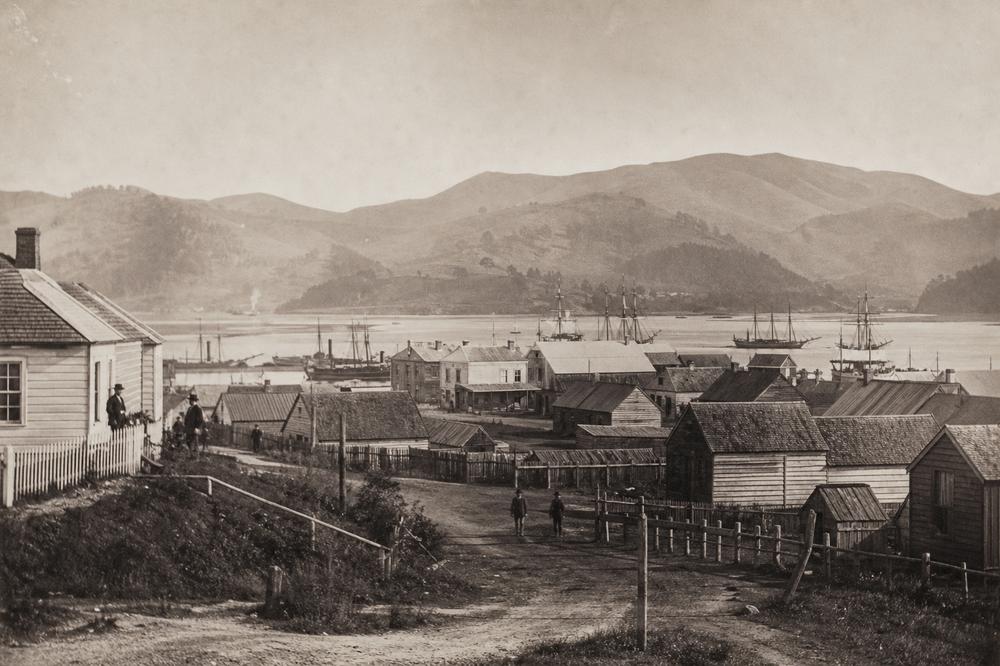
Fig. II — From early settlements to regulated entertainment: the long arc of chance in Aotearoa.
Chapter One: The Pre-Casino Era
Māori Gambling Traditions
Long before European settlers arrived, Māori communities engaged in forms of gambling. Two popular traditional games involved wagering, though the stakes were quite different from modern casino chips. One was an ancient ball game, the other a board game similar to checkers. Instead of betting actual currency, the ancient Māori would bet their personal belongings and other resources, such as grain and rice.
These games were more than mere entertainment. They served social functions, building community bonds and providing opportunities for skill demonstration and status negotiation. The objects wagered had real value, but the primary purpose was often social rather than economic.
European Settlement and the Arrival of Gambling
The arrival of European settlers in the 19th century brought new forms of gambling — and new attitudes toward it. "Gambling arrived in New Zealand with European settlers," records the Department of Internal Affairs. "Enthusiastic gaming was carried out at early settlements like Kororareka in the Bay of Islands."
In the 19th century, people would bet on cards and on athletic competitions. But the most popular form was gambling on horses. The first race meeting was held in the Bay of Islands in 1835. Horse racing quickly became a national obsession, and with it came bookmakers who controlled gaming on racehorses.
By 1879, bookmakers had established control over horse-race betting in New Zealand. The state eventually stepped in, and in 1950, betting on horses was taken over by a state-run agency, the Totalisator Agency Board, or TAB.
The TAB's creation was a significant moment. It represented the government's acknowledgment that gambling would happen regardless of prohibition — and that regulation, rather than suppression, was the more practical approach.
The Technological Innovation: Julius's Totalisator
One of the most fascinating chapters in New Zealand's gambling history involves a technological innovation that would transform racing betting worldwide. George Julius, son of an early New Zealand Anglican archbishop, invented the world's first automatic totalisator, used for racing and sports betting.
Julius originally designed it as a mechanical vote-counter but adapted it for the racecourse, even though he had never been to one. The first order for the machine was for Auckland's Ellerslie Racecourse in 1913. Ten years later, Julius was knighted in Australia for his contributions to technology.
This invention was revolutionary. Before the totalisator, betting pools were calculated manually — a slow, error-prone process that limited the scale and efficiency of racing betting. The automatic totalisator enabled accurate, real-time calculations, dramatically expanding the potential of pari-mutuel betting.
Fig. III — Technology enters the turf: the age of the automatic totalisator.
Moral Opposition and Legal Restrictions
Gambling in New Zealand has always faced strong opposition from religious institutions. Protestant churches in particular led campaigns for increased restrictions. From 1910, bookmakers were banned from horse-racing meetings.
The restrictions extended to other forms of gambling. Apart from games of two-up among the armed forces during both world wars, and pakapoo (a form of lotto) among the Chinese community, gambling was largely confined to lotteries and betting on horses until the 1980s.
The Golden Kiwi lottery was introduced in 1961, but it was a relatively modest operation. Lotto, based on a weekly draw of numbers, got underway in July 1987 to huge public interest. By the early 2000s, the game was regularly played by 67% of the population, and 400,000 New Zealanders watched the weekly draw on television every Saturday night.
Chapter Two: The Turning Point — 1980s Liberalisation
The Pokie Revolution
The 1980s brought dramatic changes to New Zealand's gambling landscape. In 1988, electronic gaming machines — "one-armed bandits" or "pokie machines" — were made legal for sports clubs, chartered clubs, Returned Services Associations, and hotels.
This was a watershed moment. Pokies had been available in some venues before, but their legalisation dramatically expanded their presence. Suddenly, pokies were everywhere — in the local pub, the RSA, the sports club. They became an integral part of New Zealand's social fabric, for better or worse.
The public reception was enthusiastic. "This was very well-received by the public," notes one history of the period. The machines generated significant revenue for clubs and hotels, which in turn funded community activities and facilities. But they also created new problems, including the spread of problem gambling.
Parliamentary Approval for Casinos
The success of pokies created momentum for further liberalisation. In 1989, Parliament approved the introduction of casinos.
The decision was not without controversy. When the Casino Control Bill was introduced by the Minister of Tourism, Mr Hunt, he acknowledged "that some people still opposed the introduction of casinos — on either moral grounds or because they believed criminals would exploit them."
The Commerce and Marketing Committee stated of the Casino Control Bill in December 1989: "The New Zealand casino industry should not be Government-owned." This was a significant philosophical choice. Unlike some countries where casinos were state-run enterprises, New Zealand would have privately owned casinos operating under government regulation.
The Casino Control Authority was established to oversee the industry. As one parliamentary member noted, it was "important that the authority be at arm's length from the Government, and that by doing so, it was accountable and transparent."
The Casino Control Act 1990
The Casino Control Act 1990 provided the legislative framework for casino regulation. It established the licensing regime, set standards for casino operations, and created mechanisms for oversight and enforcement.
The Act was later amended, including the Casino Control (Moratorium) Amendment Act 1997, which imposed a moratorium on new casino licenses. This reflected growing concerns about the social impact of gambling and a desire to limit the expansion of the industry.
Chapter Three: The First Casinos
Christchurch Casino: New Zealand's First
New Zealand's first legal casino, Christchurch Casino, was officially opened in 1994. This was the culmination of years of legislative work, planning, and construction. The 4,000 square metre establishment operated 500 slot machines and 34 tables.
The opening was a significant event. For the first time, New Zealanders could experience casino gambling in a regulated, legal environment without travelling overseas. The casino attracted visitors from across the South Island and became a tourist attraction in its own right.
"In the early days, casino establishments in New Zealand were quite modest, with simple designs that focused more on functionality than aesthetic appeal," notes one architectural history. Christchurch Casino was functional rather than flashy — a far cry from the opulent casinos of Las Vegas or Monte Carlo.
The Auckland Casino: A North Island Rival
The second casino opened in Auckland in January 1996. Located in the heart of New Zealand's largest city, it quickly became a major entertainment venue. The Auckland casino was larger and more sophisticated than its Christchurch predecessor, reflecting lessons learned and ambitions for the industry.
Together, Christchurch and Auckland established the template for New Zealand casinos: regulated, privately operated, and integrated into the local entertainment landscape.
Expansion and Evolution
The success of the first two casinos led to further expansion. A casino opened in Dunedin, followed by two casinos in Queenstown (the most recent of which opened in 2001). A casino in Hamilton was also planned.
By 2003, six casinos had been introduced — one each in Christchurch, Auckland, Dunedin, and Hamilton, and two in Queenstown. This was the high-water mark of land-based casino expansion in New Zealand. The moratorium imposed in 1997 prevented further growth, but the existing casinos continued to operate and evolve.
Chapter Four: The Evolution of Casino Culture
From Gambling to Entertainment
As casinos became more established, they began to evolve. Influenced by international trends, casinos transformed from purely gambling venues to holistic entertainment complexes. Emphasis was placed on opening bars, restaurants, cinemas, and theatres that would create entire entertainment complexes similar to those seen in Vegas and Monte Carlo.
This transformation was driven by competition and changing consumer expectations. Casinos realised that they needed to offer more than just gambling to attract visitors. They needed to be destinations — places where people could dine, drink, watch shows, and socialise, with gambling as one element of a broader experience.
The shift was also strategic. By diversifying their offerings, casinos could appeal to a broader demographic, including people who might not otherwise visit a gambling venue.
The Rise of Pokies
Throughout this period, pokies remained the most popular form of casino gambling. By the early 2000s, slot machines were the most popular game in New Zealand casinos. Their appeal was understandable: they were easy to play, required no skill or strategy, and offered the possibility of significant wins with relatively small stakes.
By 2000, New Zealanders were spending their gambling money in the following proportions: gaming machines accounted for 35% of the total gambling spend; casinos accounted for 26%; Lotteries Commission games accounted for 21%; and racing and sports betting accounted for 18%.
These figures represented a dramatic shift from 1987, when horse racing took some 85% of the total gambling spend. New Zealanders were looking elsewhere to place their bets — and casinos were a major beneficiary of that shift.
The Social Impact Debate
The expansion of casino gambling was not without its critics. Throughout the 1990s and 2000s, concerns grew about the social impact of gambling. Problem gambling was spreading, and the government faced pressure to take action.
In 2003, the Gambling Act replaced both the old Gaming and Lotteries Act and the Casino Control Act. It created a single policy framework for gambling in New Zealand and included aspects of racing. The Act introduced a requirement for gaming machine and casino operators to develop a policy for identifying and managing problem gamblers.
The Casino Control Authority continued to oversee casino operations, with a focus on maintaining "high levels of integrity in gaming operations." The regulatory systems developed by the Authority allowed casinos to operate commercially while maintaining oversight.
Research and Understanding
The government also invested in research to understand gambling behaviour and its impacts. A 2005 survey found that 88% of casino participants reported playing less often than once a month. This suggested that for the majority of casino visitors, gambling was an occasional activity rather than a problematic obsession.
However, the same research also identified a minority of players who gambled more frequently — and it was this minority that concerned policymakers. The challenge was to regulate the industry in a way that maximised its economic benefits while minimising its social costs.
Chapter Five: The Digital Revolution — Online Gambling Arrives
The Emergence of Online Casinos
With the advent of the digital age and technological advancements, online gambling was introduced, which brought Kiwis' favourite casino games into the comfort of their own homes. Online gambling meant players could suddenly play slots or blackjack anytime and anywhere. There was no longer any need to travel into town to a physical casino and to be limited by their operating hours.
The rise of online casinos created new opportunities — and new regulatory challenges. Players could access hundreds of games from offshore operators with a few clicks. The convenience was undeniable, but so were the risks.
For most of the 2000s and 2010s, New Zealand's regulatory framework struggled to keep pace with technological change. The Gambling Act 2003 was designed for a world of land-based casinos, pokie machines, and lotteries — not for the globalised, digital marketplace of online gambling.
The Offshore Market
In the absence of domestic regulation, New Zealand players turned to offshore operators. Royal Panda, launched in 2014, was one of many brands that targeted the New Zealand market. Others included LeoVegas, Spin Casino, Casumo, and countless smaller operators.
The government didn't penalise Kiwis for gambling at offshore sites, but it also didn't offer much protection. As one analysis noted, "While there weren't too many problems, playing in a safe gaming environment beats playing offshore, where many things can go wrong."
The lack of regulation created a two-tier market. On one side were the reputable offshore operators like Royal Panda, licensed by respected authorities like the Malta Gaming Authority. On the other were less scrupulous operators who took advantage of the regulatory vacuum.
Calls for Reform
By the 2020s, there was growing recognition that the existing regulatory framework was inadequate. The government faced pressure to act from multiple directions: public health advocates concerned about problem gambling, industry players seeking a level playing field, and taxpayers looking for their share of the revenue.
In March 2024, Cabinet agreed in-principle to regulate online casino gambling to support tax collection, minimise harm, and provide consumer protections to New Zealanders. The decision set in motion a process that would fundamentally reshape the online gambling landscape.
Chapter Six: The New Regulatory Framework — 2026 and Beyond
The Online Casino Gambling Act 2026
In May 2026, the Online Casino Gambling Act was introduced, creating New Zealand's first domestic licensing framework for online casino gambling. The new framework would replace the current Gambling Act, which had been in effect since 2003.
Under the new law, online casinos and poker would be fully legalised. Up to 15 licensed operators would be allowed to provide their services to Kiwis. The market would benefit from trusted platforms, ensuring that Kiwis got safe gambling environments.
The new framework introduced licensing, advertising restrictions, and player protection requirements under the oversight of the Department of Internal Affairs. Licensed operators would need robust age verification systems and would be subject to regular audits.
The Licensing Process
The licensing process formally opened on 17 July 2026. Interested operators had until 14 August to submit an expression of interest through the Government Electronic Tenders Service, accompanied by a NZ$19,000 application fee.
To progress beyond the initial stage, applicants had to demonstrate access to at least NZ$7.5 million in capital and provide detailed information covering ownership structures, management arrangements, funding sources, and compliance histories. They also had to disclose any criminal investigations, regulatory breaches, insolvency events, previous gambling licences, and any issues that could affect New Zealand's international reputation.
Following the expression of interest process, accepted applicants would compete in an auction scheduled for September before successful bidders were invited to submit full licence applications from October.
Key Provisions
Under the legislation, each licence would apply to a single brand, and no operator could control more than three licences. The total number of licences could not exceed 15. Initial licences would run for up to three years, with the possibility of a five-year renewal.
A mandatory levy on operator profits would contribute toward funding for problem gambling services and educational programs. This levy structure was similar to one implemented in Australia's Northern Territory as part of the Racing and Wagering Act.
The wider implementation timetable introduced tighter restrictions on unlicensed operators. From 1 December 2026, operators that had not entered the licensing process would have to stop offering online casino gambling to customers in New Zealand. Licensed operations were expected to become fully operational during 2027.
Transitional Arrangements
Providers already serving New Zealand customers before the Act came into force could continue operating under transitional arrangements, but they remained subject to advertising restrictions. This gave established operators like Royal Panda time to decide whether to pursue a licence or exit the market.
The transitional period also gave the government time to finalise the operational details of the new regulatory system. An implementation team formed by the government would work closely with international regulators to further expand on the bill and shape operational design.
Chapter Seven: The Future of Casinos in New Zealand
A New Era Begins
The regulatory changes of 2026 mark the beginning of a new era for casinos in New Zealand. For the first time, Kiwis will be able to gamble online at domestically licensed operators, with the full protection of New Zealand law.
The government's goal, as stated by ministers, is not to increase the number of sites where Kiwis can gamble online, but to enable New Zealanders to play their favourite games at safe sites with a proper licence. The new law will fight illegal gaming sites and protect consumers from harm, promote responsible gambling practices, and ensure operators work within legal boundaries.
Challenges Ahead
The transition to a regulated market will not be without challenges. The government will need to balance the interests of multiple stakeholders: players seeking choice and protection, operators seeking a viable business environment, and the public seeking to minimise gambling-related harm.
Enforcement will be a key challenge. Ensuring that unlicensed operators comply with the ban will require significant resources and international cooperation. The government will also need to educate consumers about the new regulatory landscape and the importance of playing at licensed sites.
The levy on operator profits will generate revenue for problem gambling services, but it remains to be seen whether the funding will be sufficient to address the scale of the problem. The government will need to monitor the impact of the new framework and adjust its approach as needed.
The Land-Based Casinos
The new online casino regulations do not directly affect New Zealand's land-based casinos. Christchurch, Auckland, Dunedin, Hamilton, and Queenstown will continue to operate under the existing regulatory framework. However, the growth of online gambling may affect their business models.
Land-based casinos will need to adapt to compete with online operators. This may mean investing in new entertainment offerings, enhancing the customer experience, and finding ways to differentiate themselves from digital competitors. The trend toward integrated entertainment complexes is likely to accelerate.
A Maturing Industry
The history of casinos in New Zealand is a story of gradual liberalisation, from the prohibition of the early 20th century to the regulated market of the 2020s. Each step has been contentious, with passionate arguments on both sides.
What is clear is that gambling is here to stay. As the Department of Internal Affairs noted, "Gambling has long been part of the New Zealand way of life." The challenge for policymakers, operators, and the public is to ensure that it remains a form of entertainment rather than a source of harm.
Conclusion: A Century of Change
From the muddy streets of Kororareka to the sleek interfaces of online casinos, New Zealand's gambling history is a microcosm of the nation's social and technological evolution. The journey from prohibition to regulation, from land-based to online, reflects broader trends in how Kiwis think about risk, responsibility, and personal freedom.
The casinos that opened in the 1990s were once seen as radical innovations. Today, they are established parts of the entertainment landscape. The online casinos that are now being regulated were once seen as a threat to the established order. Tomorrow, they may be equally unremarkable.
What remains constant is the human attraction to games of chance — the thrill of the spin, the hope of the win, the social experience of shared risk. That attraction has survived moral opposition, technological change, and regulatory upheaval. It will likely survive whatever comes next.
"The New Zealand casino industry should not be Government-owned."
— Commerce and Marketing Committee, December 1989
"Gambling has long been part of the New Zealand way of life."
— Te Ara — The Encyclopedia of New Zealand
This historical analysis was prepared in July 2026. Regulatory frameworks, licensing processes, and operator status are subject to change. Readers are advised to verify current information through official government sources and operator websites. Gambling involves financial risk — please play responsibly. 18+ only.